Selling a home is part finance, part marketing, part theater, and part patience. Most sellers think it's mainly the first one. The pros know it's mainly the other three.
This is the guide we share with sellers before we even price the home. Read it once, and you'll start thinking about your sale the way a top-producing brokerage does.

The most important decision you'll make: your list price
Almost every other variable in a home sale follows from this one number. Price too low and you leave money on the table. Price too high and you spend weeks watching nothing happen, then take a worse deal than you would have gotten by pricing right from the start.
Here's the math the data actually shows: in a healthy market, homes priced correctly sell within their first 21 days for at or above asking. Homes priced 5–10% above market sit, generate stale "DOM" (days on market) numbers, and ultimately sell for less than they would have. Buyers see the listing date. Buyers see the price drops. Buyers ask: what's wrong with it?
If your home hasn't received an offer within 30 days, the issue is almost always price. Sometimes it's photos. Occasionally it's condition. It is almost never "the market." The market shows up at every showing. The market is buying other homes. Yours, they're skipping.
Pricing strategy in a shifting market
Real estate markets shift. The DeLand market in 2026 is not the DeLand market in 2021. Your neighbor who sold for $580k two years ago doesn't tell you what your home is worth today.
What actually tells you what your home is worth:
- Recent comparable sales (comps). Same area, same general size, similar condition, sold within the last 90 days.
- Active competing listings. What buyers are choosing between right now.
- Pending sales. Listings under contract — these reflect the most current buyer behavior.
- Days on market for similar homes. If everything in your range is selling in 14 days, you have leverage. If everything is sitting 60+ days, you don't.
A real comparative market analysis looks at all four. Zillow's Zestimate looks at one (an algorithm) and is wrong by tens of thousands of dollars far more often than it's right. We've seen Zestimates miss by $80k both directions on the same block.
Pre-listing prep: what's actually worth doing
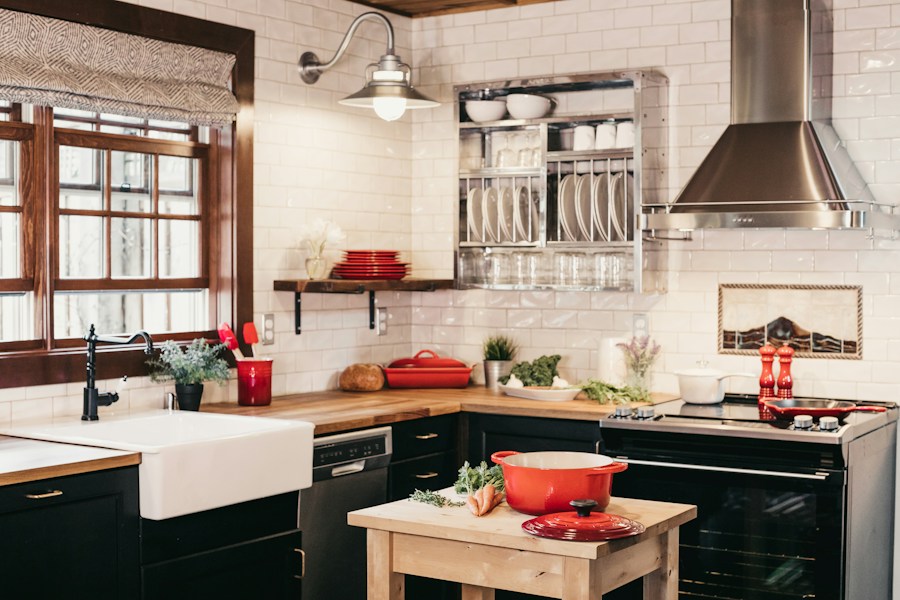
You don't need to renovate your kitchen before selling. You probably do need to do these:
Paint, in this order of impact
- Front door. First impression. A fresh coat in an on-trend color signals care.
- Walls in main rooms. Neutral. Greige is fashionable; soft white is timeless.
- Trim and baseboards. Especially if scuffed.
- Bedrooms. Get rid of any kid's pink-and-purple, teen-black, anything dramatic.

Curb appeal
The buyer's first impression happens before they get out of the car. Mulch, mow, edge, pressure-wash the driveway. Replace any dead plants. Clean exterior windows. If your house numbers are corroded, replace them. If your mailbox is leaning, fix it.
Declutter, ruthlessly
Pack as if you've already sold. Clear countertops. Remove personal photos. Take half the clothes out of the closets so they look spacious. Get the boxes out of the garage. Buyers literally cannot see past your stuff.
Deep clean
Hire a deep cleaning service. $200–400 well spent. Buyers notice grout. They notice dust on ceiling fans. They notice the smell.
Repairs that matter
- Anything dripping or leaking
- Anything broken (door handles, cabinet hinges, missing outlet covers)
- Old caulk in bathrooms and kitchens — re-caulk fresh
- Visible damaged ceiling tiles or stains
Things you usually shouldn't bother with: kitchen renovation, replacing flooring, replacing appliances. Buyers want to make those choices themselves and rarely pay full credit for what you spent.
Photography is 80% of your marketing
Most buyers see your home for the first time on their phone, on Zillow or a Realtor.com app or Facebook. The photos either earn the showing or they don't. Bad photos kill listings before they get a chance.
What real estate photography costs in DeLand: $200–$400 for a quality professional shoot. Drone footage adds $100–200. 3D walkthroughs add $200–300. This is the highest-return $400 you'll spend in the entire transaction.
What you don't want: photos shot with an iPhone in dim afternoon light, with your laundry visible in the background, and the toilet seat up. We see those listings every week. They sit.
The photos either earn the showing or they don't.
What we do that other listings don't
Here's what shows up on most DeLand MLS listings: a photo dump and a 200-word description that reads like every other description.
Here's what we do for our listings:
- Real photography, scheduled for the right time of day for your home's exposure
- Drone exterior, especially valuable for properties with acreage or lakefront
- Written descriptions that actually sell, not just describe — focusing on the specific lifestyle the home offers
- Stellar MLS distribution, which syndicates to Zillow, Realtor.com, Redfin, and 100+ other portals
- Featured on our site at mhrforsale.com — including our AI Home Match feature, which surfaces your home to buyers describing what you're selling
- Targeted social outreach on Instagram and Facebook
- Open houses staged with intent — Saturday or Sunday afternoon for higher traffic
- Network outreach to other DeLand agents who might have buyers actively looking
How to read your offers
Your first offer is rarely your last, but it's almost always your best — because it comes from a buyer who fell in love during the first wave. After that, you're getting buyers who saw it sit and wonder what's wrong with it.
When evaluating an offer, look beyond price:
- Financing type. Cash > Conventional > FHA/VA. Cash closes fastest with no appraisal contingency.
- Down payment percentage. Higher down = stronger offer = less likely to fall through if appraisal comes in low.
- Earnest money deposit. 1% standard, 2–3% strong, 5%+ signals real commitment.
- Inspection contingency length. 15 days standard, 7–10 days strong.
- Appraisal contingency. Whether the buyer will cover an appraisal gap, and up to how much.
- Closing date. Match yours. Flexibility on this can be worth thousands.
- Concessions requested. Closing cost help, home warranty, repairs — each comes off your net.
The headline price isn't your net. We'll always run the numbers and show you your walk-away amount for each offer — what's actually going to land in your bank account at closing. Sometimes the second-highest offer nets more than the highest.
What sellers pay at closing in Florida
Roughly 6–8% of sale price total. Approximately:
- Real estate commission: 5–6% (split between listing and buyer's agent — increasingly negotiable post-2024)
- Documentary stamps on the deed: $7 per $1,000 (about 0.7%)
- Title insurance (owner's policy): 0.5–0.6% in Florida (paid by seller in Volusia County by custom)
- Settlement and recording fees: a few hundred dollars
- Prorated property taxes through closing date
- Any negotiated concessions to the buyer
We'll prepare a Net Sheet for you upfront so you know your bottom line before listing.
Common seller mistakes
Pricing on emotion, not market. What you paid in 2018 doesn't matter. What you've spent on improvements doesn't matter (mostly). What matters: what buyers are paying right now for homes like yours.
Refusing to remove personal photos. Buyers cannot project themselves into a house full of your family photos. It's not personal. It's psychology.
Being home for showings. Buyers don't open closets when sellers are watching. They don't talk freely. They rush through. Get out of the house.
Refusing all repairs after inspection. Even with an "as-is" listing, ignoring inspection requests can kill the deal.
Choosing the agent who promises the highest price. Some agents inflate price estimates to win listings, then push for price reductions in week three. The right agent gives you a realistic price and the data behind it.