Buying a home in DeLand isn't like buying one in Orlando, Tampa, or anywhere else. The market is smaller, the inventory turns differently, and a surprising amount of business still gets done on relationships — neighbors who know an estate is about to list, agents who've seen the inside of a property four owners ago. Most online buyer's guides won't tell you that, because they're written for everywhere and nowhere.
This is the version we wish we could hand every buyer who walks through our door at 108 E Indiana. Read it once before you start showings. You'll save yourself months.

Step 1: Get pre-approved before you fall in love with a house
Pre-approval is not the same as pre-qualification. Pre-qualification is a lender's polite estimate based on what you tell them. Pre-approval is a lender's commitment based on documented income, credit, and assets. Sellers in DeLand take pre-approval letters seriously. They roll their eyes at pre-qualifications.
You want a real pre-approval letter from a real lender before you start showings. Three reasons:
- You'll know your actual ceiling, not your daydream ceiling
- You can write competitive offers the same day a home hits the MLS
- Your offer carries weight against cash investors, who otherwise win every multiple-offer situation
Local lender or national bank? Both work. Local lenders (community banks, smaller mortgage brokers in DeLand or Daytona) tend to be more responsive and know the appraisers. National banks sometimes have slightly better rates. Get quotes from both — request a Loan Estimate from each, and compare the APR (not just the rate).
If a lender quotes you a rate over the phone without pulling your credit, don't trust the rate. They're guessing. Get the Loan Estimate in writing.
Step 2: Know what you're actually buying
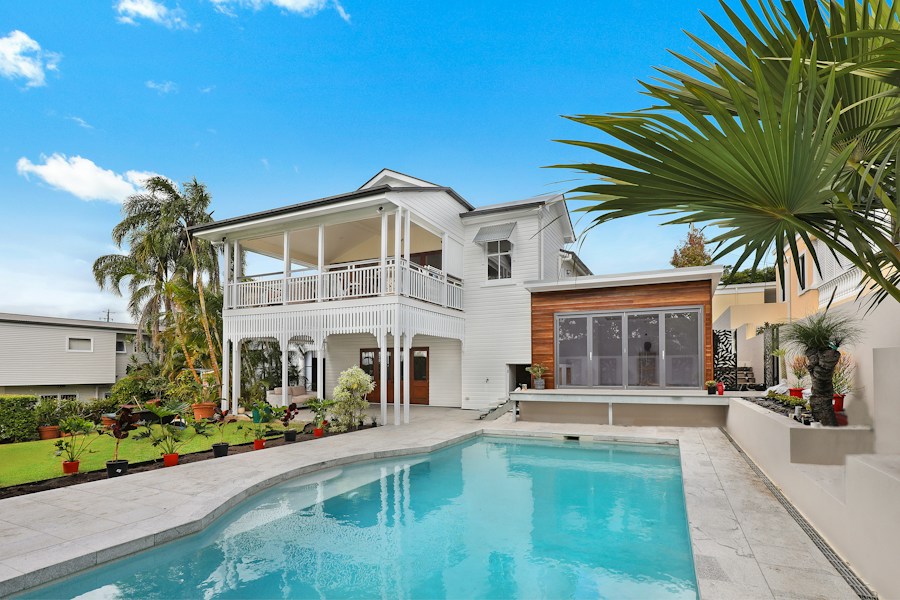
"DeLand" can mean a 1923 craftsman two blocks from Stetson, a new-construction four-bedroom in Victoria Park, or 12 acres on a dirt road outside town. The price-per-square-foot varies wildly. So does the cost of ownership.

Historic Downtown DeLand
Brick streets, century-old homes, walkable to Athens Theatre and the farmers' market. Beautiful, rare, and expensive per square foot. Older homes mean older systems — plan to inspect everything carefully and budget for surprises in the first two years.
Victoria Park
Master-planned, walkable, family-friendly. Newer construction (mostly 2003–2018), HOA, pool, parks. Predictable. If you want a known quantity in a neighborhood that's already built out, this is it.
DeBary, Orange City, Deltona
Different cities, different feels. DeBary has bigger lots and access to the St. Johns River. Orange City has Blue Spring State Park and quiet established neighborhoods. Deltona is bigger, newer, and offers the most house for the dollar.
Acreage outside city limits
Beautiful, peaceful, and harder than it looks. Well water, septic, longer drives, sometimes longer power outages. Worth it for the right buyer.
Step 3: How to actually evaluate a property
Visit twice. Once during the day. Once on a weekday around 5 PM. The traffic on the road, the noise from the school across the way, the way the afternoon sun bakes the back porch — you only catch those at the second visit.
Things to notice that buyers typically miss:
- Roof age. Most insurers want a roof under 15 years old. Anything older and your premiums climb fast.
- Hurricane shutters or impact windows. Required for serious insurance discounts in coastal Florida. Without them, expect premiums 30–50% higher.
- HVAC age. Florida systems work hard. A 12+ year old AC is approaching the end of its life — factor $6–10k for replacement into your offer or your reserves.
- Sinkhole disclosure. Sellers must disclose any history of sinkhole activity or claims. Read every word.
- Flood zone. Flood insurance can run $400–$3,000+/year depending on zone. Find out before you offer, not after.
- HOA fees and rules. Some Victoria Park HOAs limit how you can paint, what you can park in your driveway, and whether you can rent the home out. Read the covenants.
Step 4: Write an offer that doesn't lose to cash
Cash buyers (often investors) skip financing contingencies and close fast. To compete as a financed buyer, you need to make your offer feel almost as easy:
- Fully underwritten pre-approval letter, not just a "pre-approved up to $X" form. Have your lender provide a letter specific to the property.
- Tighter inspection window. Standard is 15 days. Offer 7 if you have a known inspector who can move fast.
- Larger earnest money deposit. Standard is 1%. Offering 2–3% signals you're serious.
- Appraisal gap coverage. If the property appraises low, agree to bring extra cash to closing rather than walking away.
- Flexible closing date. Sometimes sellers care more about timing than price.
In a balanced or seller's market, lowball offers in DeLand don't get countered — they get ignored.
Step 5: The inspection — what to actually pay attention to
Get a licensed Florida home inspector. Not your cousin who used to do construction. The inspection report will be 40 pages long. Most of it is cosmetic. Here's what we'd actually negotiate over:
- Roof. Active leaks, missing shingles, cupping, or under 15 years remaining life. Non-negotiable.
- Electrical. Federal Pacific or Zinsco panels (both have known fire risks). GFCI outlets in wet areas.
- Plumbing. Polybutylene pipes (recalled, prone to failure). Galvanized supply lines. Cast iron drain lines older than 50 years.
- HVAC. Function, not just age. Get the inspector to actually run heat AND cool.
- Structural. Foundation cracks, bowed walls, floor slopes.
- Termites. Required disclosure. Get a separate WDO inspection — usually $75–150.

Step 6: Closing — the boring stretch where money disappears
Florida closings are handled by title companies. Yours or the seller's, depending on local custom (in Volusia County, it's usually buyer's choice). Closing costs in Florida run roughly:
- For the buyer: 2–3% of purchase price. Includes title insurance, doc stamps, recording fees, lender fees, prepaid taxes and insurance.
- For the seller: 6–8% (most of which is real estate commission, traditionally paid by the seller's side).
You should get a Closing Disclosure from your lender at least 3 business days before closing. Read every line. Compare to your original Loan Estimate. Question anything that's changed.
What it costs to use a buyer's agent (almost always: $0)
Traditionally, the seller pays both their own agent and the buyer's agent. The split is negotiated as part of the listing. So when you work with us as your buyer's agent, our compensation comes from the seller's side at closing — not out of your pocket.
This has shifted slightly post-2024 settlement changes — buyers and their agents now sign explicit representation agreements upfront. We'll walk you through this on day one. The short version: in nearly every transaction in DeLand, you can still expect to pay nothing out of pocket for buyer representation.
The mistakes we see most often
Falling in love before pre-approval. You'll waste your time and break your heart over homes you couldn't have bought anyway.
Not visiting at different times of day. The home that's perfect at 11 AM Saturday might back up to a busy road at rush hour or have a barking dog next door at 6 AM.
Skipping the inspection because the home is "new." New construction has issues too. Sometimes more than older homes — drywall, plumbing, HVAC installs all get rushed.
Underestimating insurance. Florida homeowners insurance has roughly doubled since 2019. Get quotes before you offer, not after.
Using a relative or friend as your agent because they have a license. Almost universally a mistake. You want someone who works full-time, knows the local inventory, and has done dozens of recent transactions in your specific zip codes.
What working with Monarch looks like
We start with a real conversation — usually a phone call or a coffee at our office on Indiana Ave. We want to understand your timeline, your finances, your dealbreakers, your dream version. We'll set up a saved search across the Stellar MLS so you see new listings the moment they hit. We attend showings with you, not just unlock the door. We write offers that consider both your interests and the seller's psychology, because both matter.
We close roughly 1 in 3 of the showings we attend. That's a higher conversion rate than most agents. We get there by being honest about what each property actually is, including the ones you're excited about that probably aren't right.